Metode konstruksi pabrik tradisional semakin tertantang oleh jangka waktu yang panjang, biaya tinggi, dan desain yang tidak fleksibel. Di era yang didorong oleh efisiensi dan sadar akan keberlanjutan saat ini, struktur baja prefabrikasi telah muncul sebagai solusi ideal untuk fasilitas industri, komersial, dan logistik yang menginginkan modernisasi.
Bayangkan sebuah bangunan pabrik modern yang luas, tahan lama, dan selesai hanya dalam hitungan bulan, bukan tahun. Visi ini kini menjadi kenyataan melalui konstruksi baja prefabrikasi, yang menawarkan keunggulan luar biasa dibandingkan bangunan beton konvensional dalam hal kecepatan pemasangan, fleksibilitas desain, dan nilai jangka panjang.
Keunggulan Struktural: Membangun Fondasi yang Tak Tergoyahkan
Baja paduan berkekuatan tinggi seperti Q235B dan Q355B menunjukkan kekuatan luluh yang jauh melebihi material tradisional. Baja Q355B, misalnya, menawarkan kekuatan luluh 355 MPa dibandingkan dengan kekuatan tekan beton pada umumnya 30-50 MPa. Hal ini memungkinkan struktur baja menahan beban lebih berat dari peralatan, material, dan kekuatan lingkungan seperti salju dan angin.
Riset industri menunjukkan bahwa bangunan pabrik baja biasanya memiliki masa pakai 50-100 tahun, lebih baik daripada struktur beton yang sering kali memerlukan perawatan lebih sering dan renovasi lebih awal. Metode perlindungan korosi tingkat lanjut—termasuk sandblasting, pelapis pelindung, dan galvanisasi hot-dip—secara signifikan meningkatkan ketahanan terhadap cuaca, mengurangi biaya pemeliharaan jangka panjang sekaligus menjaga nilai aset.
Percepatan Konstruksi: Menangkap Peluang Pasar
Pendekatan prefabrikasi memungkinkan sekitar 70-80% komponen—balok utama, kolom, purlin, dan balok dinding—diproduksi di lingkungan pabrik yang terkendali. Metode produksi standar ini menghilangkan penundaan karena cuaca dan secara signifikan meningkatkan efisiensi dibandingkan dengan konstruksi di lokasi.
Jika pabrik beton tradisional memerlukan waktu penyelesaian 12-24 bulan, struktur baja prefabrikasi dapat didirikan hanya dalam waktu 3-6 bulan. Garis waktu terkompresi ini memberikan banyak manfaat finansial:
- Mengurangi biaya pendanaan melalui periode konstruksi yang lebih pendek
- Dimulainya operasional lebih awal dan perolehan pendapatan
- Peningkatan daya saing melalui kemampuan respon pasar yang cepat
Fleksibilitas Desain: Beradaptasi dengan Kebutuhan yang Berkembang
Kekuatan bawaan baja memungkinkan bentang bebas kolom sepanjang 15-30 meter atau lebih—suatu prestasi yang menantang untuk konstruksi beton. Konfigurasi ruang terbuka ini secara dramatis meningkatkan fleksibilitas tata letak untuk jalur produksi, sistem penyimpanan, dan pemasangan peralatan.
Sifat modular dari konstruksi baja menyederhanakan modifikasi dan perluasan di masa depan. Ketika kebutuhan operasional berubah, bangunan baja dapat dikonfigurasi ulang atau diperluas dengan biaya dan kompleksitas yang jauh lebih rendah dibandingkan alternatif beton, sehingga memperpanjang umur fungsional struktur.
Solusi Berkelanjutan: Mengurangi Dampak Lingkungan
Baja merupakan salah satu material konstruksi yang paling ramah lingkungan, menawarkan 100% kemampuan daur ulang tanpa degradasi material. Proses prefabrikasi menghasilkan sedikit limbah di lokasi dibandingkan dengan puing-puing dan debu konstruksi beton yang besar.
Sistem insulasi terintegrasi yang menggunakan panel sandwich baja dapat mengoptimalkan efisiensi energi, sementara penilaian siklus hidup secara konsisten menunjukkan keunggulan lingkungan dari baja dalam tahap produksi, transportasi, konstruksi, dan pembongkaran.
Jaminan Keamanan Komprehensif
Meskipun baja kehilangan kekuatannya pada suhu ekstrem, perawatan tahan api modern dapat mencapai tingkat api yang diperlukan untuk berbagai aplikasi industri. Ketahanan alami material terhadap hama dan korosi—bila dirawat dengan benar—menjamin integritas struktural jangka panjang.
Keuletan dan kapasitas penyerapan energi baja memberikan kinerja seismik yang luar biasa, dengan sambungan yang dirancang dengan baik memenuhi standar ketahanan gempa yang ketat.
Keuntungan Ekonomi: Proposisi Nilai Jangka Panjang
Meskipun investasi awal mungkin paralel dengan konstruksi tradisional, bangunan baja prefabrikasi menunjukkan keunggulan ekonomi seumur hidup:
- Jadwal konstruksi yang lebih cepat mengurangi biaya pembiayaan dan mempercepat ROI
- Daya tahan meminimalkan biaya pemeliharaan, penggantian, dan renovasi
- Ketahanan terhadap korosi dan hama mengurangi potensi kerugian akibat kerusakan
- Peningkatan pemanfaatan ruang meningkatkan efisiensi operasional
- Nilai sisa yang lebih tinggi di pasar sekunder
Manufaktur Presisi: Kontrol Kualitas Berbasis Data
Pembingkaian Utama:Baja bermutu tinggi menjalani analisis struktur yang presisi menggunakan perangkat lunak canggih, dengan perawatan permukaan termasuk sandblasting tingkat industri, lapisan pelindung multi-lapis (memberikan perlindungan 15-25 tahun), dan galvanisasi hot-dip (lapisan seng 50-85 mikron untuk lingkungan korosif).
Elemen Sekunder:Purlin dan girt berpenampang C/Z yang dibentuk dingin menggabungkan kekuatan tinggi dengan sifat ringan untuk pemasangan yang efisien.
Sistem Kandang:Panel sandwich baja menawarkan berbagai pilihan inti—EPS (kepadatan 10-20 kg/m³, konduktivitas 0,041 W/m·K), PU (35-45 kg/m³, 0,022 W/m·K), PIR (ketahanan api yang ditingkatkan), dan wol mineral (ketahanan api yang unggul). Panel eksterior biasanya menggunakan baja berlapis warna galvanis 0,4-0,8 mm.
Manajemen Proyek: Eksekusi yang Efisien
-
Fase Perencanaan:Analisis lokasi, studi kelayakan, dan desain konseptual
-
Rekayasa:Pemodelan BIM, perhitungan struktural, dan integrasi keberlanjutan
-
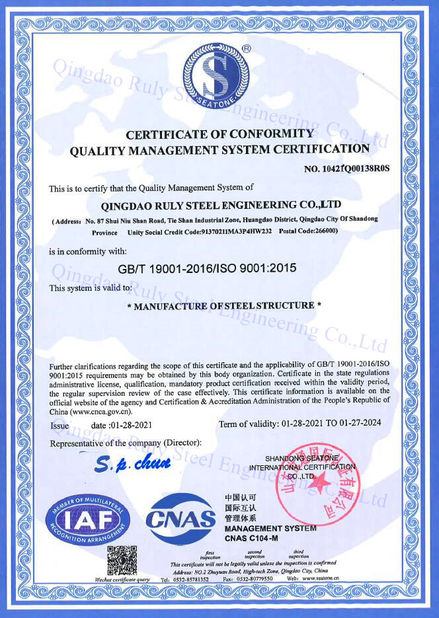
Produksi:Manufaktur bersertifikat ISO dengan inspeksi kualitas multi-tahap
-
Konstruksi:Panduan instalasi ahli dan koordinasi jadwal
-
Operasi:Cakupan garansi dan rekomendasi pemeliharaan
Pertimbangan Strategis
Dari perspektif manajemen risiko, prefabrikasi mengurangi penundaan cuaca, ketidakstabilan material, dan kekurangan tenaga kerja dengan mengalihkan sebagian besar aktivitas konstruksi ke pengaturan pabrik yang terkendali. Data historis proyek mengkuantifikasi pengurangan risiko ini.
Analisis biaya siklus hidup—mencakup pertimbangan konstruksi, pembiayaan, pengoperasian, pemeliharaan, dan akhir masa pakai—biasanya mendukung konstruksi baja. Kombinasi waktu yang dipercepat dan efisiensi operasional sering kali menghasilkan laba atas investasi dan nilai bersih sekarang yang lebih tinggi dibandingkan dengan metode tradisional.


 Pesan Anda harus antara 20-3.000 karakter!
 Indonesian